Thermal Compliance & Vector Control in Logistics
Climate-controlled logistics zones require specialized biological defense. Learn how MMS standardizes FSSAI compliance.
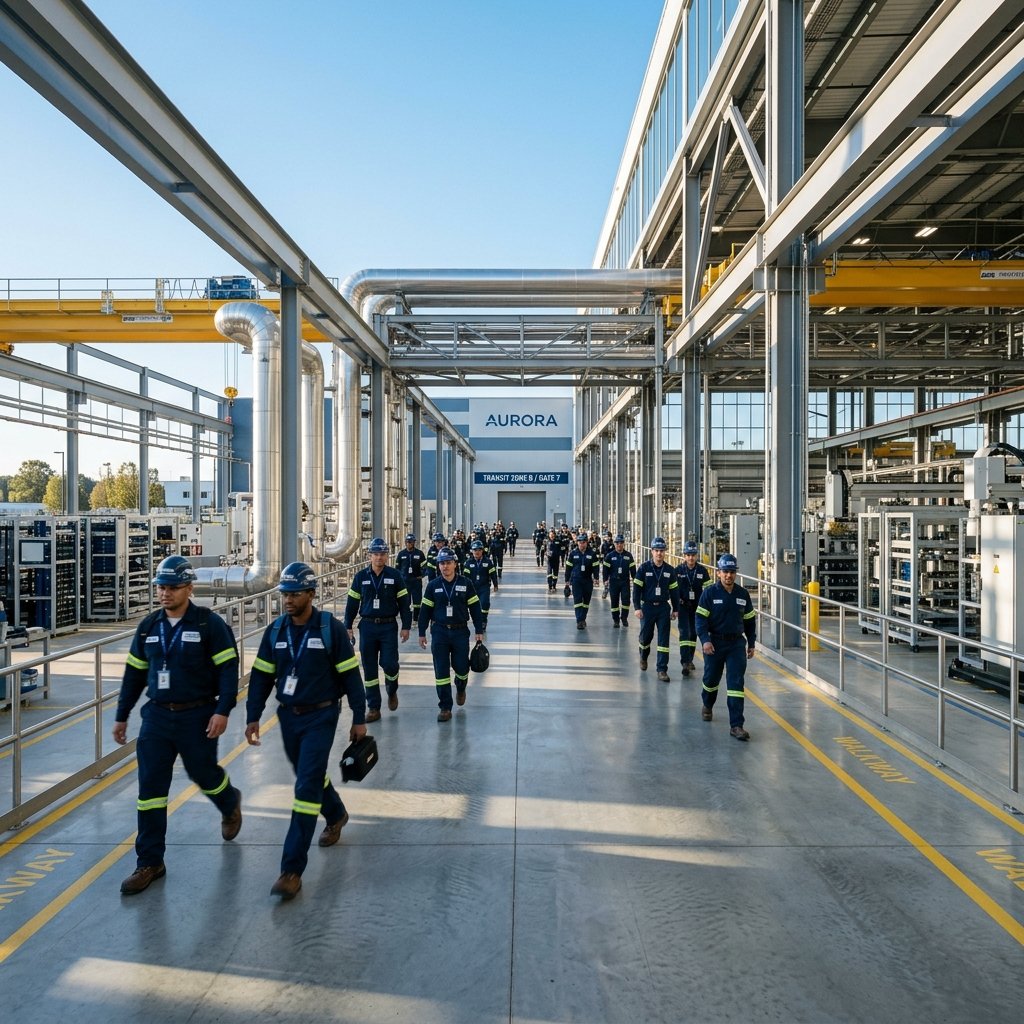
For Environment, Health, and Safety (EHS) Officers and Plant Directors operating massive open-air industrial facilities in Durgapur, Asansol, and the greater Kolkata manufacturing belts, airborne vectors are highly misunderstood.
Mosquitoes and flies are often dismissed as seasonal nuisances. In reality, unchecked airborne vector populations within a high-traffic workforce zone represent a direct threat to labor compliance and shift productivity. A sudden surge in vector-borne illness across a large manufacturing workforce leads to massive absenteeism, direct drops in daily output, and severe corporate health liabilities.
Protecting a large workforce demands a continuous, data-backed environmental barrier, not a temporary chemical fog.
When industrial facilities rely on traditional pest control for airborne threats, they typically resort to reactive chemical fogging. This strategy is an operational failure:
At MMS Pest Control Systems, we reframe mosquito and fly mitigation into a strict protocol of Airborne Threat Management. We engineer large-scale biological defenses that actively reduce airborne risk profiles.
Stop treating airborne vectors as a seasonal annoyance. Manage them as a core component of your operational risk infrastructure.
Get a free, no-obligation engineering assessment to secure your workforce from airborne vectors.
Airborne pests like mosquitoes directly affect productivity by transmitting vector-borne diseases (such as Dengue or Malaria) across high-density workforce zones. This leads to sudden spikes in employee absenteeism, understaffed production lines, and potential violations of corporate EHS health mandates.
Chemical fogging is ineffective because it only offers temporary suppression of adult insects and leaves chemical residues that can compromise worker respiratory health. It fails to address the root breeding grounds and offers no continuous perimeter defense against new airborne vectors.
Macro-environmental vector control is an engineered approach that analyzes the broad ecological conditions of a massive facility—such as standing water dynamics, wind patterns, and structural blind spots—to deploy continuous physical interception loops rather than relying on short-term chemical sprays.