Zero Ingress, Zero Downtime: Engineering Spatial Exclusion
Discover why traditional indoor trapping fails commercial facilities. MMS Systems engineers spatial exclusion zones.
For supply chain directors managing cold-storage distribution centers across the Siliguri corridor, Kolkata port zones, and East India's agricultural hubs, environmental hygiene introduces a complex paradox.
Climate-controlled zones are designed to preserve high-value, perishable inventory like pharmaceuticals, dairy, and export-grade seafood. However, the exact thermal insulation that protects this inventory also creates a highly attractive micro-climate for mammalian vectors seeking refuge from extreme exterior temperatures.
Maintaining FSSAI and HACCP compliance in a cold-chain environment requires a highly specialized, non-chemical approach. Traditional pest control methods simply break down under extreme thermal conditions.
Applying standard reactive pest control within a cold-storage facility is both ineffective and hazardous.
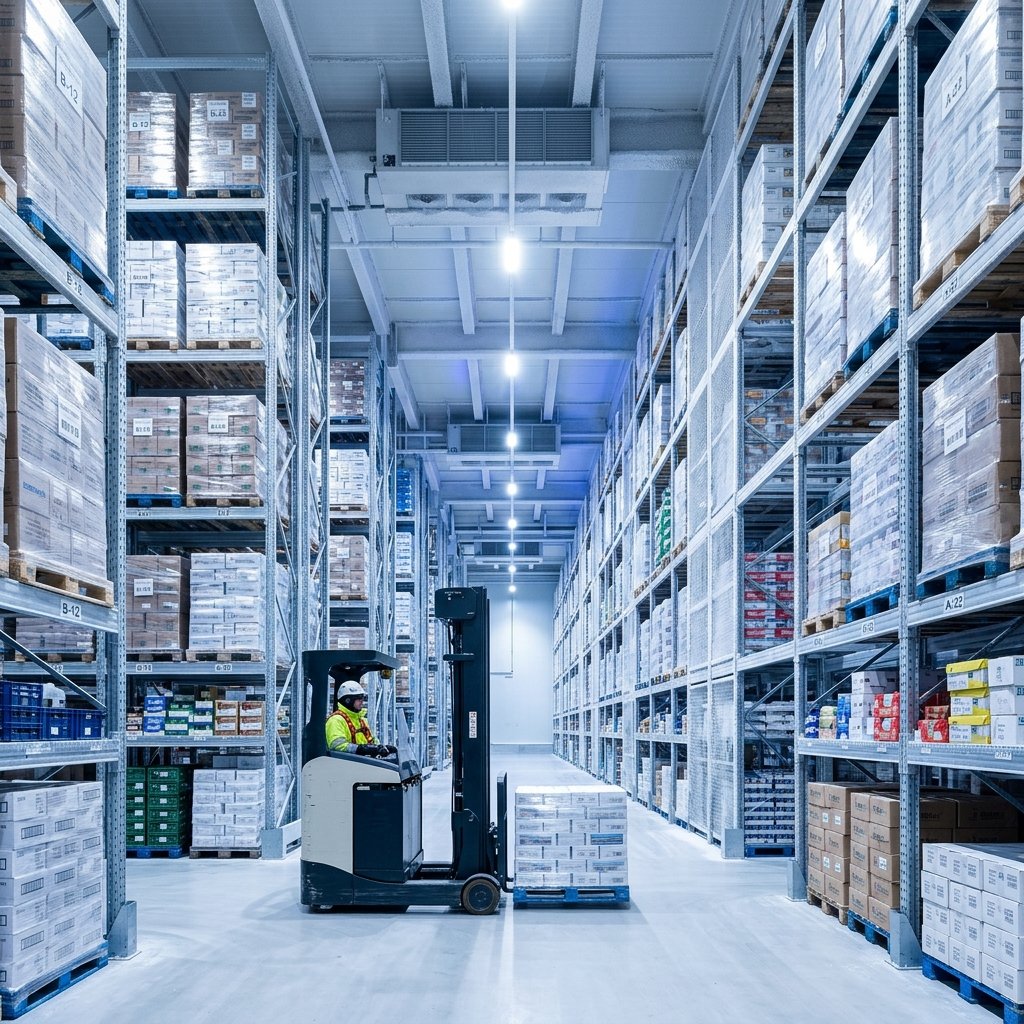
MMS Pest Control Systems engineers environmental hygiene frameworks explicitly designed for the rigorous demands of thermal logistics.
Secure your cold-chain infrastructure with a system designed for extreme compliance.
Get a free, no-obligation engineering assessment to secure your thermal logistics operations.
FSSAI regulations for cold storage strictly prohibit the use of toxic chemical sprays near exposed food products or within the recirculated air systems. Compliance requires the implementation of proactive structural proofing, strict temperature zoning, and the use of non-toxic, mechanical monitoring devices.
Cold-chain logistics are challenging because traditional chemical treatments fail in freezing temperatures, and the insulated, warm pockets near loading docks actively attract external pests. Furthermore, the strict hygiene requirements of storing pharmaceuticals and perishables limit the types of interventions that can be legally deployed.
MMS Systems protects pharmaceutical warehouses by deploying 100% non-chemical structural vector exclusion. This includes sealing thermal paneling gaps, engineering physical barriers at the loading docks, and utilizing temperature-resistant digital monitoring loops that align with strict ISO and FSSAI audit standards.