Surviving Unannounced Audits: The 45-Second Digital Sync
When the auditor arrives at 6:00 AM, manual paper logs are a liability. Learn how automated digital compliance frameworks guarantee instant audit readiness.
The landscape of corporate compliance is undergoing a massive technological shift. In the wake of global supply chain disruptions, regulatory bodies governing FSSAI, HACCP, and ISO standards have increasingly adopted remote and hybrid auditing models.
For Quality Assurance (QA) Directors managing multi-site manufacturing facilities across East India, this presents a critical operational hurdle. If an auditor sitting in a centralized office in New Delhi requests the environmental hygiene logs for your Kolkata, Patna, and Bhubaneswar facilities, you cannot scan and email hundreds of handwritten paper logs.
In 2026, if your compliance data cannot be accessed, verified, and audited remotely, your facility is considered non-compliant.
Attempting to survive a remote audit using a manual paper logbook is an exercise in futility.
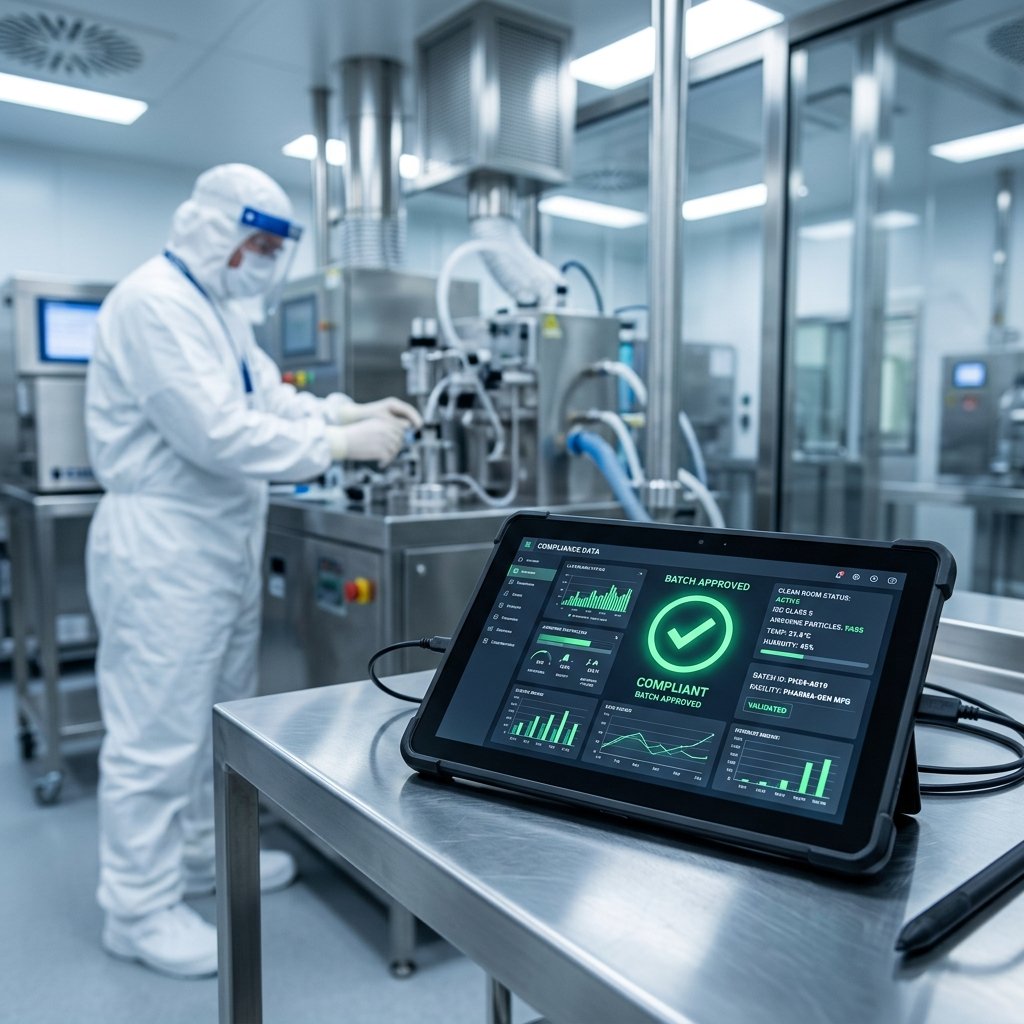
At MMS Pest Control Systems, we eliminate audit friction by providing absolute data transparency. We engineer our environmental defense systems around Automated Digital Governance.
Modernize your facility’s compliance infrastructure. Ensure your data is as secure as your perimeter.
Get a free consultation on implementing automated digital governance for your facility.
Yes. Following recent modernizations, regulatory bodies and international certification agencies frequently utilize remote and hybrid auditing frameworks. These audits require facilities to upload real-time, digital, and verifiable data regarding quality control and environmental hygiene to secure portals for review.
Paper pest control logs are considered obsolete because they cannot be authenticated remotely, are highly susceptible to damage and manipulation, and cannot automatically generate the predictive data trends and heat maps required by modern ISO 9001:2015 data governance standards.
Cloud-based reporting utilizes on-site technicians equipped with smart devices who scan physical barcodes or RFID tags at every interception point. This data is instantly transmitted to a centralized, tamper-proof digital dashboard, allowing facility managers to view real-time compliance metrics from any location.